An industrial roof is one of the most important assets in any commercial or manufacturing facility. It protects machinery, stock, employees, and day-to-day operations from the harsh Australian climate. Yet many business owners only think about their roof when a leak appears or major damage has already occurred.
The reality is that investing in quality industrial roofing can save significant money over the long term by reducing maintenance costs, improving energy efficiency, and preventing costly disruptions.
Why Industrial Roofing Matters
 Industrial buildings face different challenges compared to residential properties. Large roof spans, heavy equipment, ventilation systems, and constant exposure to weather all place additional demands on the roofing structure.
A professionally installed industrial roof is designed to handle these conditions while maintaining structural integrity for decades. Whether it’s a warehouse, factory, logistics centre, or processing plant, the roofing system plays a critical role in keeping operations running smoothly.
Signs Your Industrial Roof Needs Attention
Many roofing issues start small but quickly develop into expensive problems if ignored.
Common warning signs include:
- Water stains on ceilings
- Rusted roofing sheets
- Pooling water after rain
- Loose flashing
- Increased energy bills
- Visible cracks or deterioration
Regular inspections help identify these issues before they affect productivity or create safety concerns.
Choosing the Right Roofing Material
Not all industrial roofing systems are the same. The right choice depends on your building’s purpose, location, and budget.
Popular options include:
Metal Roofing
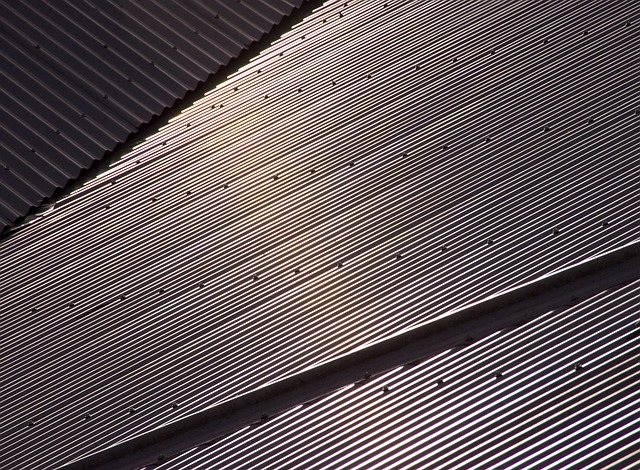
Metal remains one of the most common choices for industrial roofing due to its durability and low maintenance requirements. Modern metal roofing systems can withstand harsh weather while offering excellent longevity.
Insulated Panels
These systems provide superior thermal performance, helping businesses reduce heating and cooling expenses.
Membrane Roofing
Often used on flat or low-slope roofs, membrane systems provide excellent waterproofing and flexibility.
The ideal solution should be selected based on building requirements rather than simply choosing the cheapest option.
The Importance of Professional Installation
Even the highest-quality materials can fail if installed incorrectly. Proper roof construction and installation ensures the roofing system performs as intended and complies with Australian building standards.
Experienced roofing professionals understand drainage requirements, structural loading, weatherproofing details, and safety regulations. Their expertise helps prevent common installation mistakes that can shorten roof lifespan.
Long-Term Benefits of Quality Industrial Roofing
Investing in a high-quality industrial roof delivers several advantages:
- Improved building protection
- Reduced maintenance costs
- Better energy efficiency
- Enhanced workplace safety
- Longer roof lifespan
- Increased property value
For businesses operating around the clock, these benefits can make a significant difference to operational efficiency and profitability.
Things Clients Often Ask
How long does an industrial roof typically last?
Depending on the material and maintenance schedule, an industrial roof can last anywhere from 20 to 50 years.
How often should industrial roofing be inspected?
A professional inspection is generally recommended at least once a year and after severe weather events.
Can industrial roofing improve energy efficiency?
Yes. Modern roofing systems often include insulation and reflective materials that help reduce energy consumption.
Is replacing a roof better than continual repairs?
If repairs are becoming frequent and costly, a replacement may offer better long-term value.
Why is professional roof construction and installation important?
Correct installation ensures durability, compliance with regulations, and maximum performance throughout the roof’s lifespan.